Unlock Educational Potential Through Tech for Early Education
- PRISHT EDUCATION
- Mar 30
- 3 min read

Technology is changing how children learn. It offers new ways to engage young minds. Using tech for early education can make learning more interactive and fun. It also helps teachers and parents support children better. In this post, I will share practical ideas and insights on how technology can unlock educational potential.
The Importance of Tech for Early Education
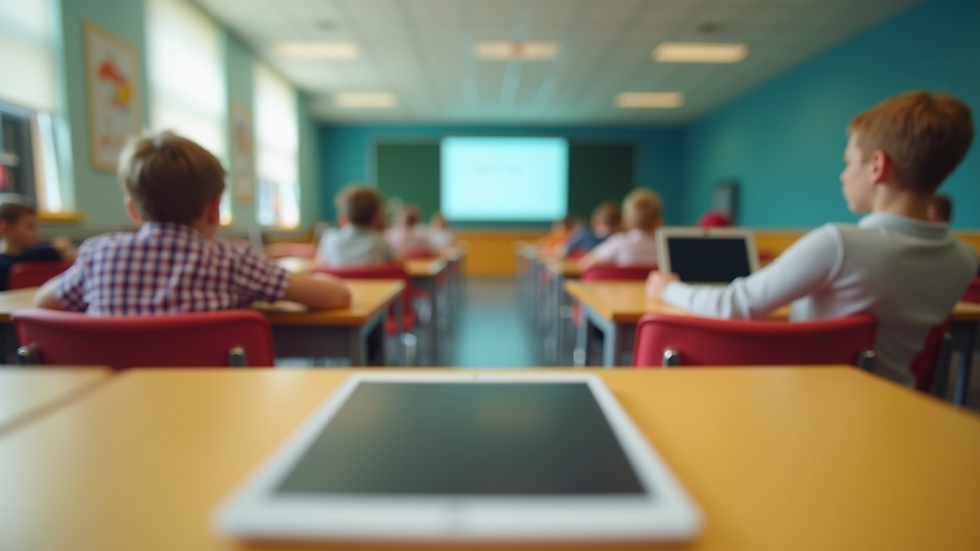
Early education sets the foundation for lifelong learning. Introducing technology at this stage can boost skills like problem-solving, creativity, and communication. For example, interactive apps can teach numbers and letters through games. Augmented reality (AR) can bring stories to life, making reading more exciting.
Schools and parents can use tech tools to tailor lessons to each child’s pace. This personalized approach helps children grasp concepts more easily. It also keeps them motivated to learn.
In India, especially in North India, access to quality early education varies. Technology can bridge this gap by providing affordable and scalable learning solutions. It supports the National Curriculum Framework (NCF) 2023 goals by making education more inclusive and effective.
How Technology Supports Learning and Development
Technology supports different learning styles. Visual learners benefit from videos and animations. Auditory learners gain from audio stories and songs. Kinesthetic learners engage with touch-based activities on tablets.
Here are some ways technology helps early learners:
Interactive Storytelling: AR books and apps make stories immersive.
Language Skills: Speech recognition tools help with pronunciation.
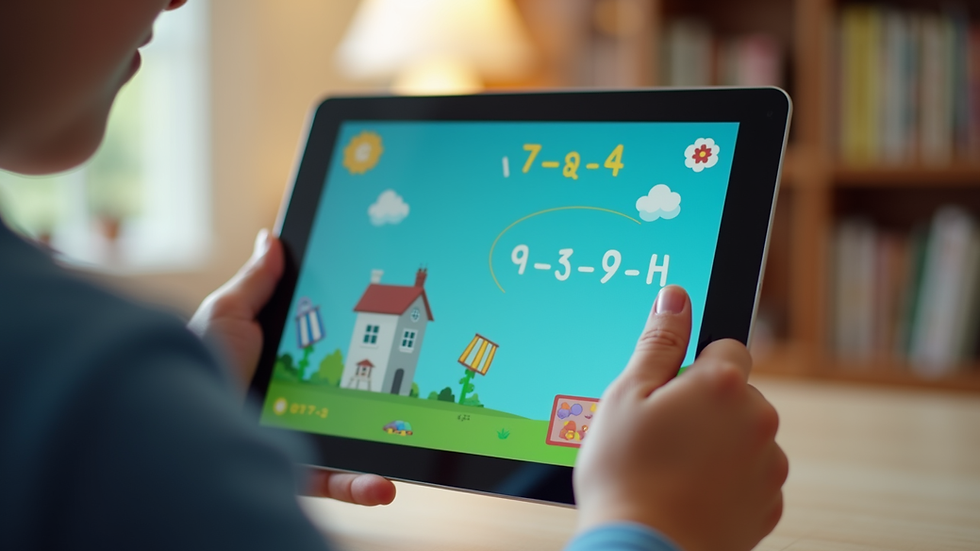
Math Games: Fun puzzles teach counting and shapes.
Creative Expression: Drawing and music apps encourage creativity.
Collaboration: Online platforms allow group projects and sharing.
Teachers can track progress using digital tools. This data helps identify areas where a child needs extra help. Parents can also stay informed and support learning at home.
What is the main role of educational technology?
The main role of educational technology is to enhance the learning experience. It does this by making education more accessible, engaging, and effective. Technology acts as a bridge between knowledge and learners, especially young children.
It helps simplify complex ideas through visuals and interactive content. It also provides instant feedback, which is crucial for early learners. This feedback loop encourages children to try again and improve.
Moreover, technology supports teachers by automating routine tasks. This frees up time for more personalized teaching. It also enables remote learning, which is vital in areas with limited school access.
Practical Tips for Using Tech in Early Education
To get the most from technology, it is important to use it wisely. Here are some practical tips:
Choose Age-Appropriate Tools: Select apps and devices designed for young children.
Limit Screen Time: Balance tech use with physical play and social interaction.
Encourage Active Participation: Use tech that requires children to think and respond.
Integrate with Curriculum: Align tech activities with learning goals like those in NCF 2023.
Train Educators and Parents: Provide guidance on how to use technology effectively.
Create a Safe Environment: Use parental controls and monitor content.
Combine Tech with Traditional Methods: Use books, toys, and outdoor activities alongside digital tools.
By following these tips, technology becomes a powerful aid rather than a distraction.
Future Trends in Tech for Early Education
The future of early education will see more advanced technology. Artificial intelligence (AI) will personalize learning even further. It can adapt lessons in real-time based on a child’s responses.
Virtual reality (VR) will offer immersive experiences, such as virtual field trips. This can expand children’s horizons beyond their immediate environment.
Wearable devices may track physical and cognitive development. This data can help customize learning plans.
In India, these innovations will support the goal of reaching every child with quality education. They will also help meet the standards set by the NCF 2023.
Embracing Technology for Better Learning Outcomes
Technology is a tool that can unlock great educational potential. When used thoughtfully, it enhances early education by making learning more engaging and effective. It supports teachers and parents in nurturing young minds.
For those involved in early education, embracing technology means staying informed and open to new methods. It means choosing tools that align with educational goals and children’s needs.
By integrating technology with proven teaching practices, we can create a rich learning environment. This environment prepares children for future challenges and opportunities.
Technology is not a replacement for human interaction but a complement. Together, they can unlock the full potential of every child.
This approach to tech-enhanced early education aligns with the vision of providing innovative, accessible learning solutions across India. It supports the development of confident, curious learners ready to thrive in a digital world.

Comments